Save 56%



It’s about women. It’s about pleasure. It’s about time.
Should Doctors Prescribe Vibrators?
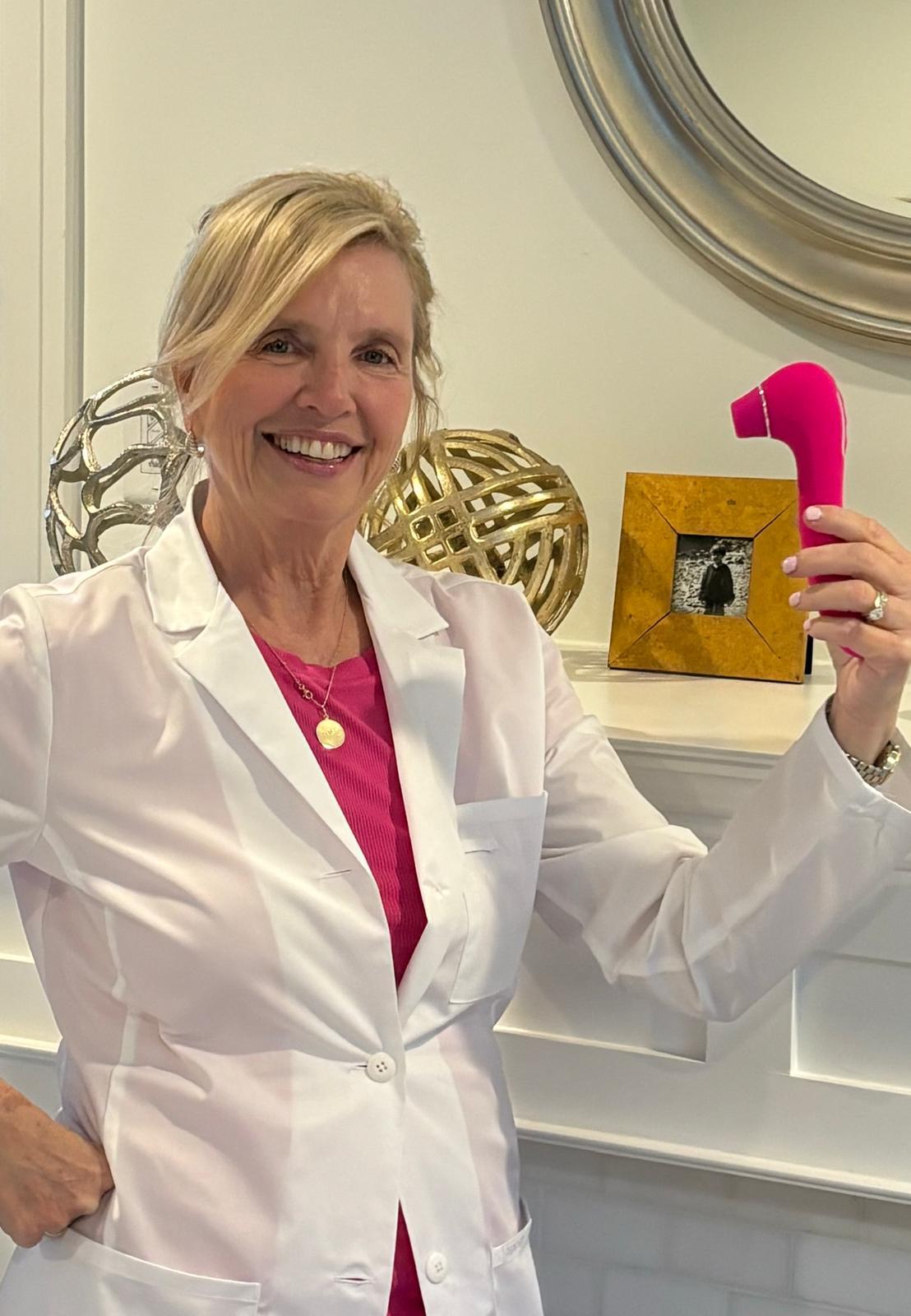
The quiet revolution in women’s pelvic health—by Nurse Maureen McGrath, RN – Sexual Health Educator
A prescription you won’t find on a tear-off pad…yet
Medicine is changing. Your doctor might already “prescribe” yoga for stress, a walk in the park for anxiety, or acupuncture for pain. So here’s the bold question:
Is it time for doctors to prescribe sex toys—specifically, therapeutic vibrators—for women’s health?
I’m Nurse Maureen. I work with women navigating menopause and beyond, and I recently dug into a rigorous review asking exactly this: Should vibrators be part of pelvic floor physiotherapy and women’s health care? My short answer: yes—yes—yes.
Because for millions of women dealing with urinary leakage, pelvic organ prolapse symptoms, painful sex, low arousal, or “I just can’t get there anymore,” the standard toolbox (Kegels, meds, surgery, or “do nothing”) is often incomplete. Thoughtful, shame-free vibrator therapy can help fill the gaps.
Why the idea makes clinical sense (and human sense)
1) Blood flow is the beginning of sensation
After menopause, estrogen dips can leave tissues thinner and drier. Gentle vibration increases local circulation, helping tissues feel supple again and priming arousal pathways.
2) Muscle meets rhythm
Your pelvic floor is muscle. Just like a tight shoulder, it responds to graded, rhythmic input. Consistent vibration can help the pelvic floor relax when it’s too clenched and re-engage when it’s too weak—both crucial for bladder control and comfortable intimacy.
3) Your nervous system needs clear signals
Orgasms (solo or partnered) release oxytocin, endorphins, and prolactin—your body’s built-in calm-and-sleep chemistry. Regular, comfortable stimulation keeps neural pathways alive, shortens the “warm-up,” and lowers stress—without a pharmacy receipt.
Translation: a well-chosen vibrator can be a therapy tool—for sensation, function, and confidence.
“But why haven’t doctors said this before?”
Two big reasons:
-
Stigma. Women are policed and shamed for sexual desire far more than men. That doesn’t belong in medicine.
-
Training gaps. Many clinicians get little (or no) education in sexual function or pelvic floor care. That’s changing—but slowly.
The review I read called for more research, better provider education, and destigmatizing vibrator use in clinical care. I couldn’t agree more.
What women reported in the research (and in my practice)
-
Improved arousal & satisfaction
-
Less pain with intercourse
-
Stronger pelvic support and fewer leaks
-
Reduced chronic vulvar pain for some (e.g., vulvodynia)
-
Better mood & sleep—because feeling good has ripple effects
No single tool helps everyone, but the upside is real—and the risks are low compared to many meds or surgery.
If a vibrator were “prescribed,” what would it look like?
Think therapeutic design, not novelty:
-
Body-safe materials: medical-grade silicone, easy to clean
-
Focused stimulation: especially for clitoral nerves (about 70% of women need direct clitoral stimulation to climax)
-
Quiet, consistent, controllable: simple buttons, reliable rhythms, no hand acrobatics
-
Comfort first: ergonomic shape, friendly size, works with lube, not against it
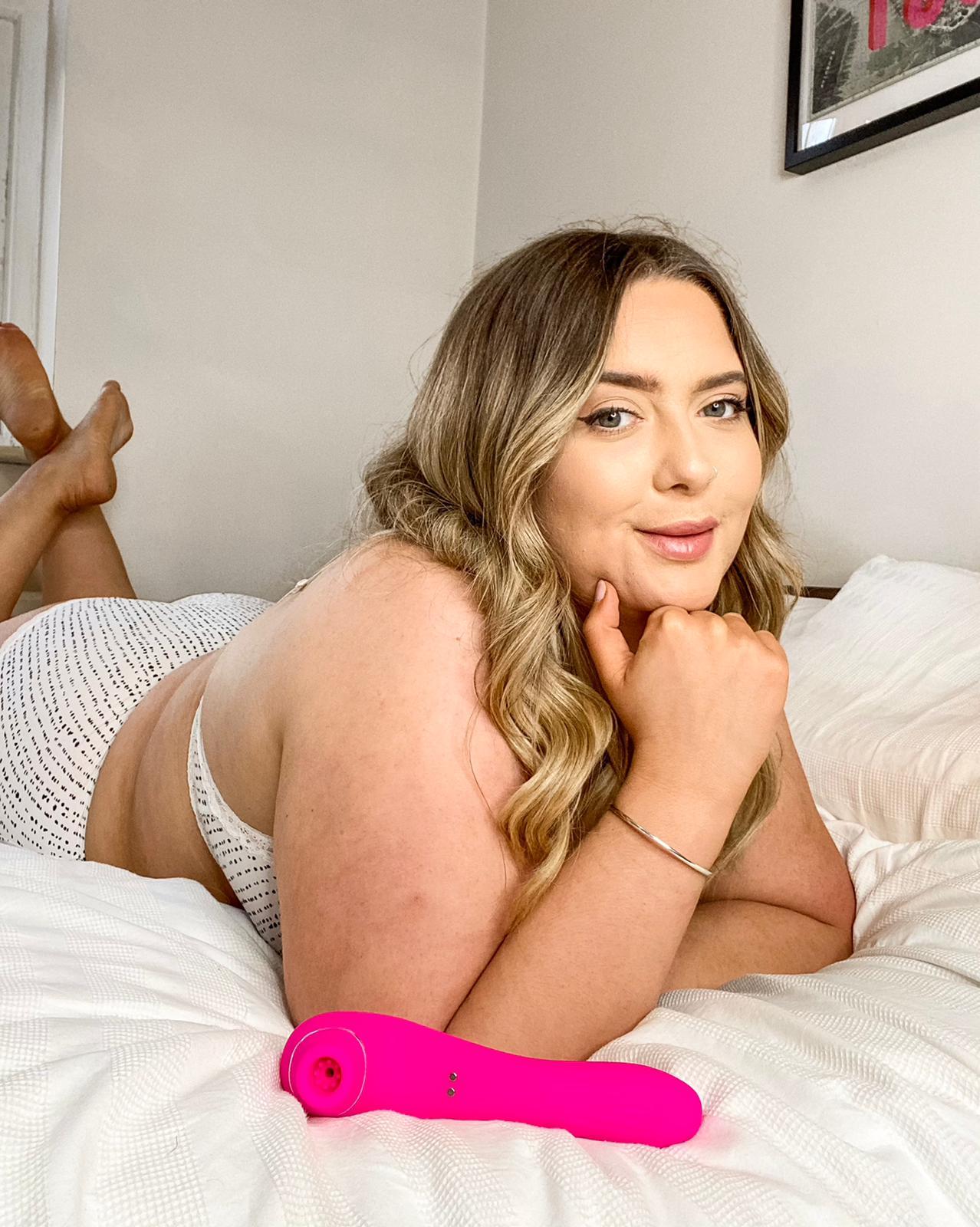
Why I recommend VIVA Milana (and often pair it with Viva Donna)
-
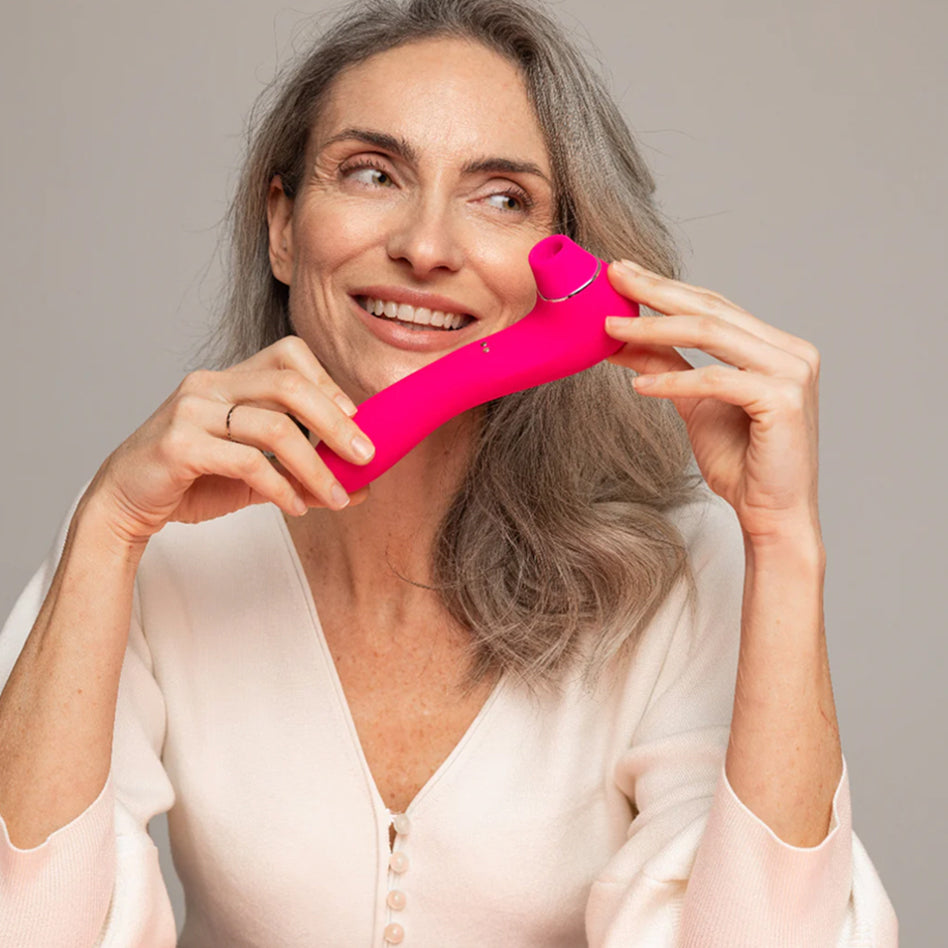
Milana: a precise, clitoral-forward device that’s gentle enough for sensitive days and steady enough to build arousal without frustration. Great for bedtime routines and “keep the pathways alive” sessions.
-
Donna: a versatile, body-safe wand that can relax a tense pelvic floor externally, soothe hips/low back, and support overall circulation and comfort.
Together, they cover relax → arouse → respond—the trifecta many midlife bodies crave.
A 2-Week Pelvic Wellness Plan (you can start tonight)
Nightly (or 4x/week): “Relax → Arouse → Rest”
-
Settle (2 minutes): Dim the lights. Exhale longer than you inhale. Unclench jaw, shoulders, and pelvic floor.
-
Moisturize & lube: If dryness is an issue, use a vaginal moisturizer daily; add lubricant in the moment.
-
Relax body (3–5 minutes): With Donna, gently release tension around hips, inner thighs, lower belly, and outer vulva. No pressure to “perform.”
-
Build sensation (3–6 minutes): Switch to Milana for steady, comfortable clitoral stimulation. Start low, increase slowly. Follow pleasure, not a stopwatch.
-
Lights out: When drowsy lands, stop. Let oxytocin and prolactin do their sleep magic.
Daytime add-on (optional): 1–2 minutes of soft Kegels (gentle lift… and a full release) while breathing.
Over-clenching can backfire; emphasis on release matters.
Track three things in a notes app: comfort, ability to relax, sleepiness after. Adjust intensity accordingly.
How to bring this up with your doctor (without blushing)
Try:
“I’m exploring non-drug options for pelvic comfort, bladder control, and arousal. I’m using a body-safe vibrator to improve blood flow and relaxation. Can we document this as part of my plan and discuss progress at my next visit?”
If they’re unfamiliar, you’ve just done some gentle medical education. You’re allowed.
Your permission slip (you don’t actually need one)
You are not “too old,” “too dry,” or “too complicated.” You are a woman whose body has changed—and deserves updated care. If a device can help you leak less, hurt less, sleep better, and feel more, that’s health care.
Pleasure isn’t frivolous. Pleasure is functional. Functional bodies live bigger lives.
Myths we can retire (today)
-
“If I need lube or a toy, I’ve failed.” No—you’ve adapted.
-
“Kegels fix everything.” Not if muscles are tight or mis-coordinated. Balance first.
-
“Desire ends at menopause.” Desire changes. Tools and techniques change with it.
-
“Pleasure is frivolous.” Pleasure is functional medicine for your nervous system, sleep, and relationships.

Real-life snapshots (names changed, truths intact)
Ursula, 67: “I thought penetration was the problem. Turns out, tension was. A few minutes with Donna to relax, then Milana—suddenly my body remembered how to respond.”
Lena, 55: “I leaked when I laughed. The release-then-gentle-lift routine felt doable. Six weeks later, I’m laughing again—on purpose.”
When to seek extra help
-
Persistent or worsening pain, bleeding, or new symptoms
-
Recurrent UTIs, severe dryness, or suspected prolapse
-
Suspected pelvic floor hypertonicity (very tight, painful)
-
Ongoing insomnia or mental health concerns
You’re not “bothering” anyone. You’re advocating for yourself—bravely and appropriately.
The quiet revolution
Pleasure isn’t a teenage hobby. It’s nervous-system care, circulation care, relationship care, sleep care. In a world that tells midlife women to shrink, this is how we expand—softly, sleepily, gloriously.
Tonight’s invitation: Try the protocol as written. Go slowly. Be kind. If your only result is a softer nervous system and ten minutes of peace, that alone is a win. And if you glide into sleep with a satisfied sigh? Even better.
My invitation is simple—tonight, give yourself permission to choose pleasure.
Ask yourself: Where does pleasure live in my life right now? What would shift if I scheduled it the way I schedule everything else? When you make space for pleasure on purpose, something profound happens—tension softens, sleep deepens, and mornings meet you with a steadier, brighter you.
When I began treating pleasure as essential care, not extra, everything changed. I was more patient, more creative, more myself—not less.
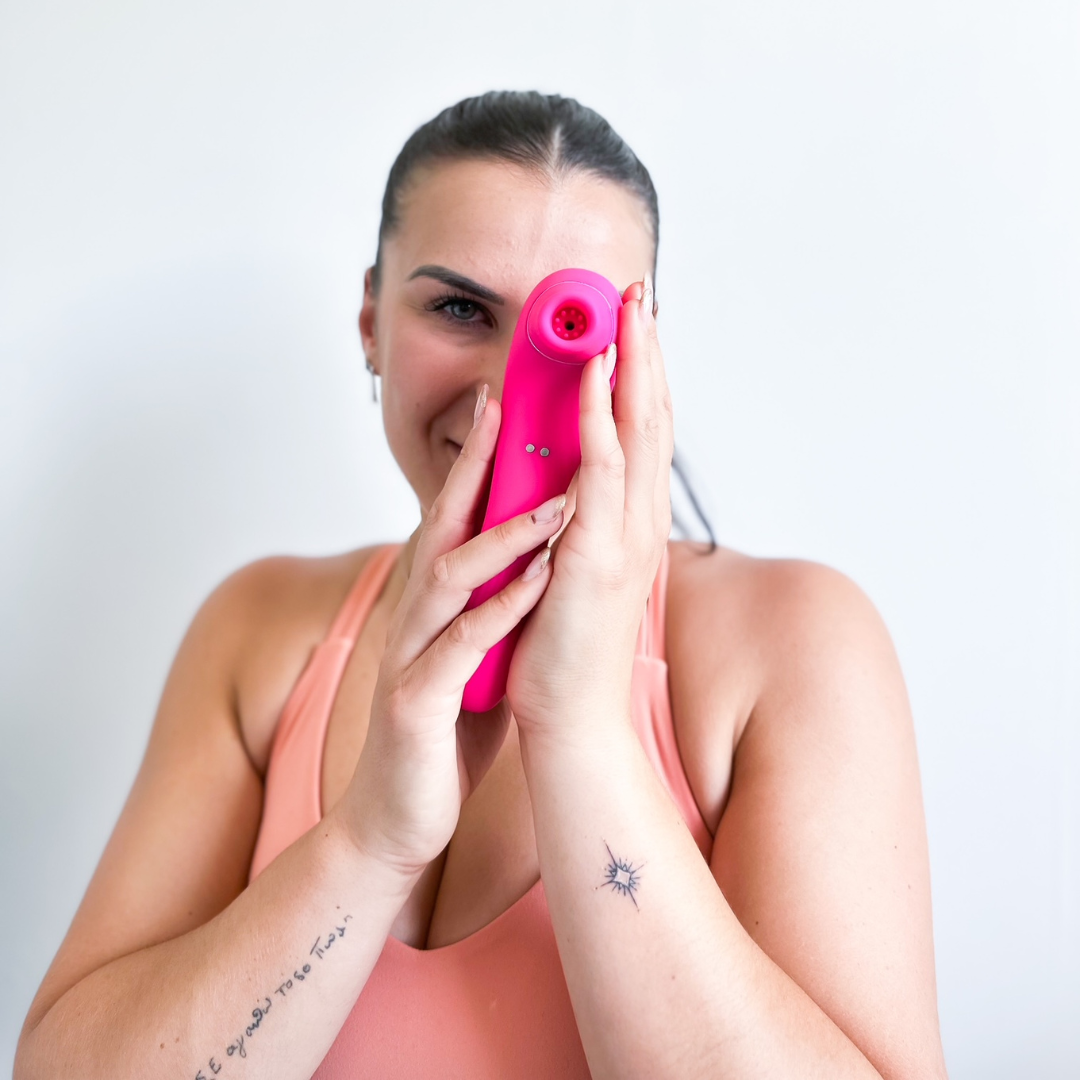
If you’re ready for a gentle, clinical-but-kind nudge, let VIVA Milana be your invitation. It’s small, beautifully simple, and designed for mature bodies: silky to the touch, quiet, and precise—so you can spark real sensation on your terms, at your pace.
Your Milana moment (tonight): three slow breaths… warm light… a little lubricant… then a few unhurried minutes with Milana. Follow comfort, not a stopwatch. If sleepiness arrives, let it. If pleasure blooms, receive it. Either way, your nervous system gets the message: it’s safe to rest and feel good here.
Notice what delights you—and do more of that.
Your pleasure isn’t a luxury. It’s your power.
Good night and good vibes,
Nurse Maureen McGrath, RN
P.S. Ready for a bedtime-friendly device? Explore Viva Milana at savvy-viva.com—use code MM20 for a limited-time savings. If this guide helped, share it with a friend who deserves a gentler night.